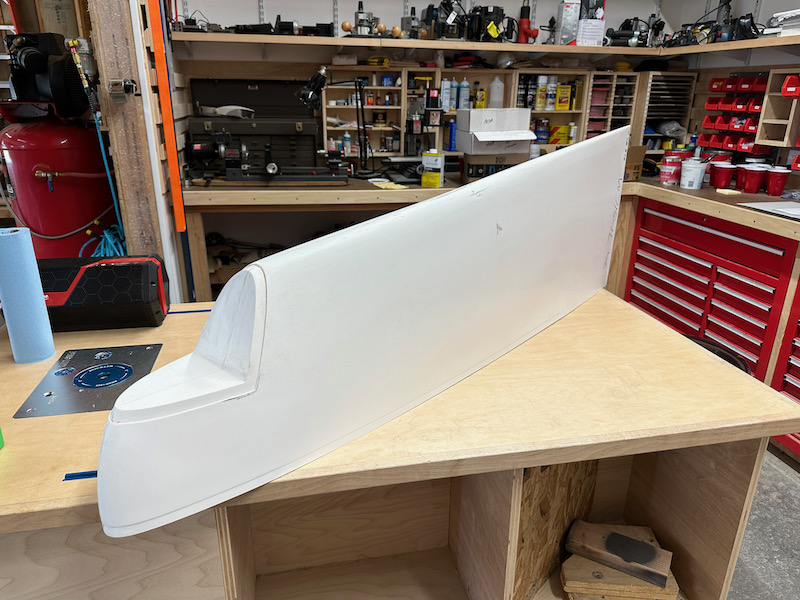
Finished intake air duct

June 4th, 2011

The FWF portion of the airplane seems to involve doing a lot of work that advances things incrementally, but rarely reaches a "finished" state that lends itself to an interesting blog post. Thus, I've been working on various things for the last month that I haven't been doing a good job documenting. Time to get some of these pictures off the camera…

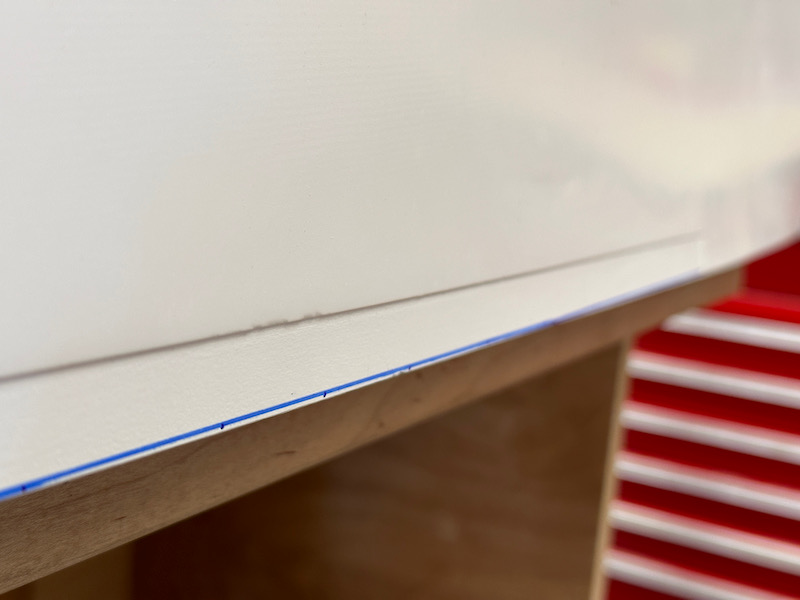
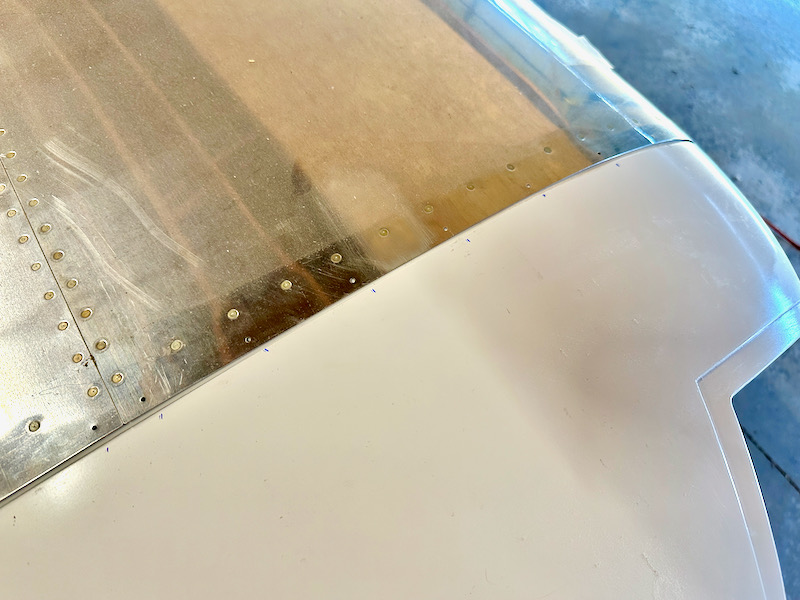
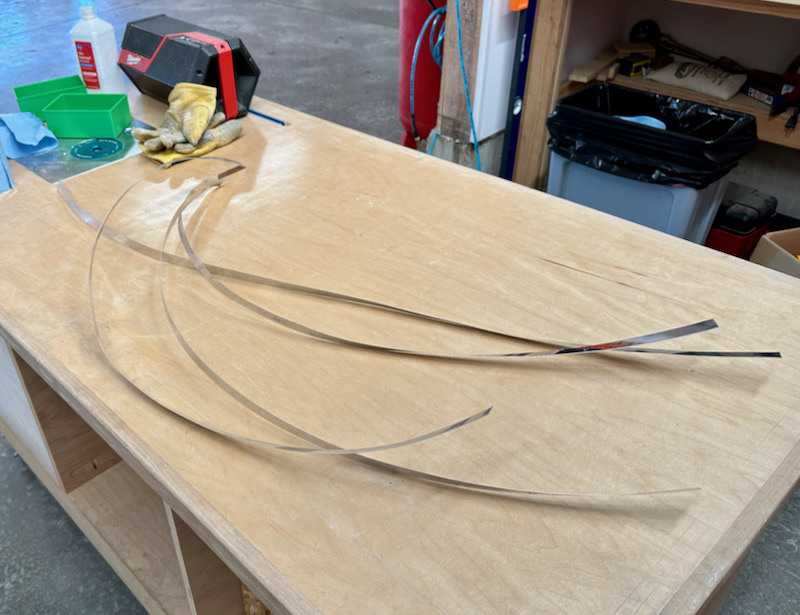
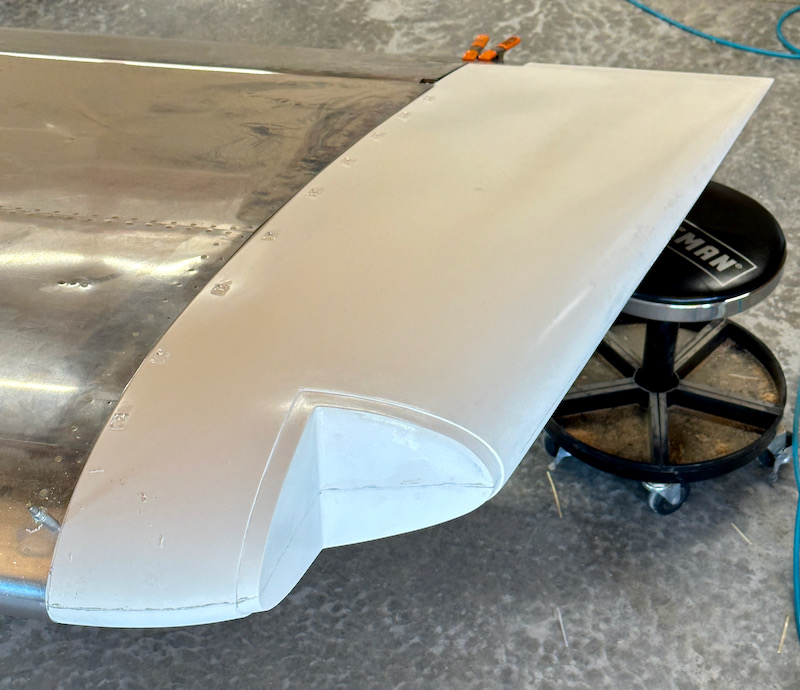
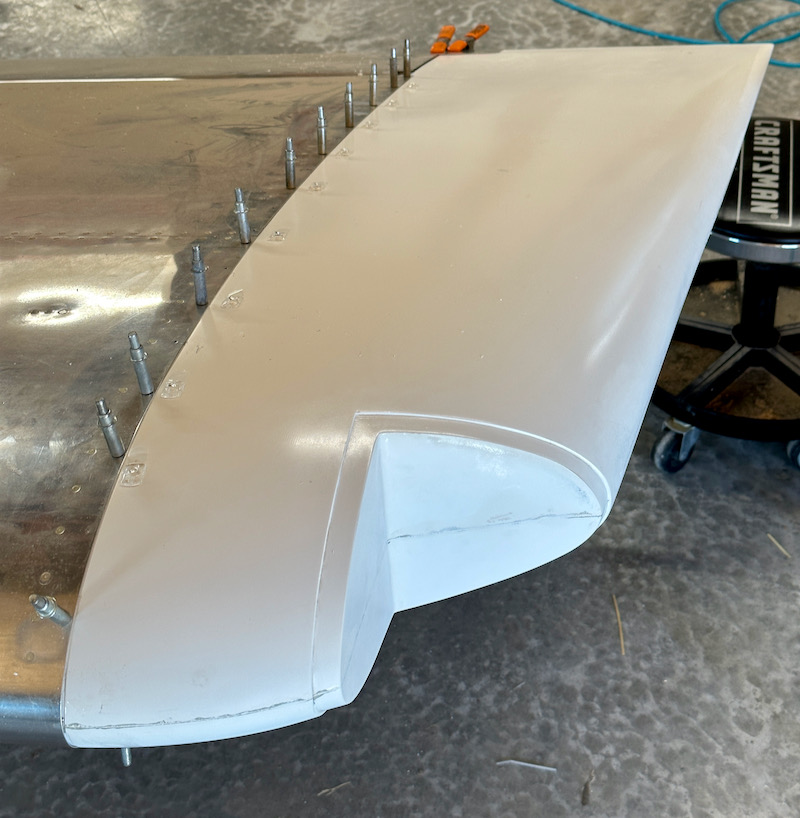
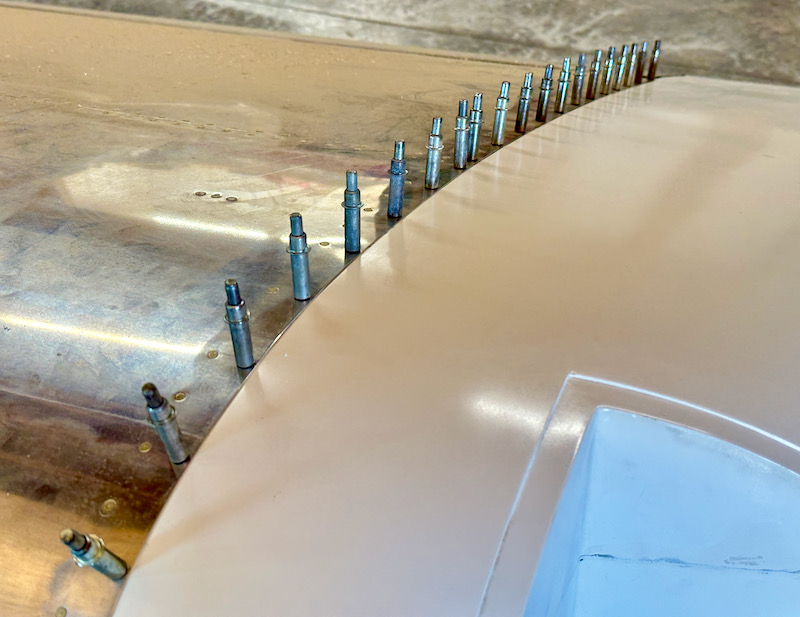
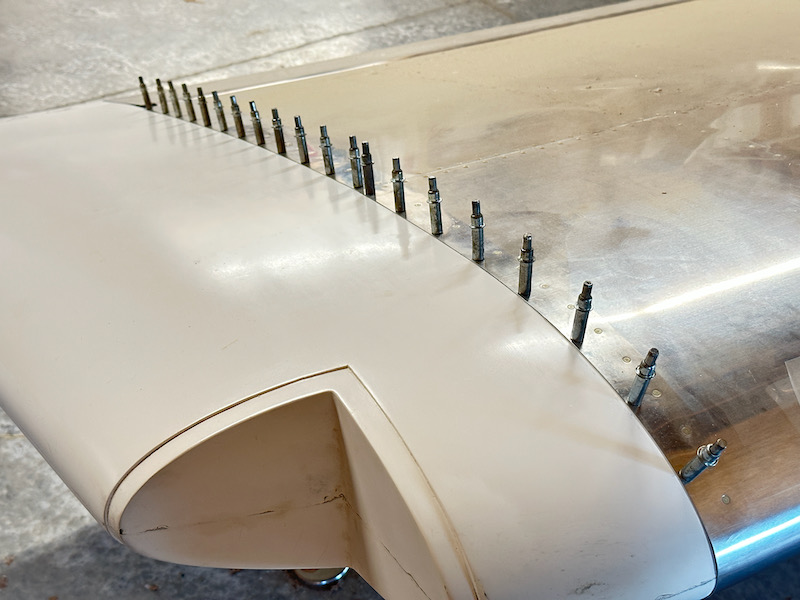
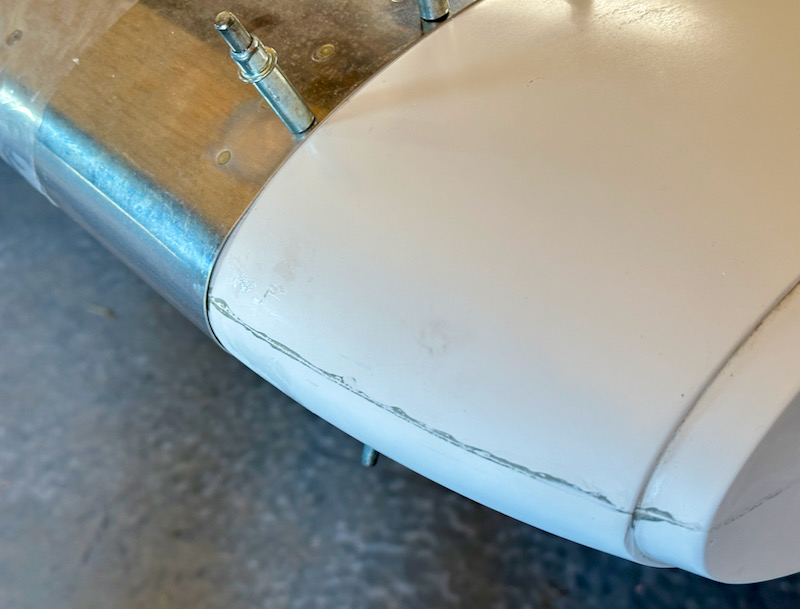
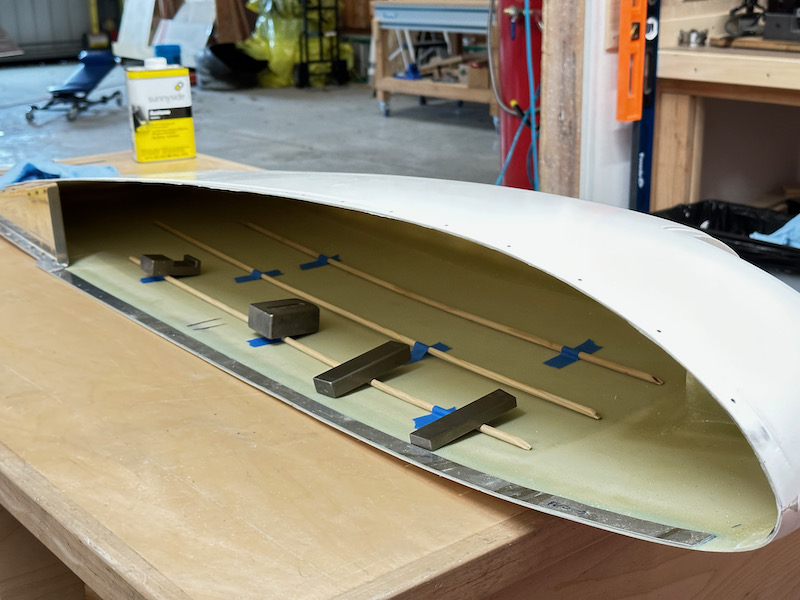
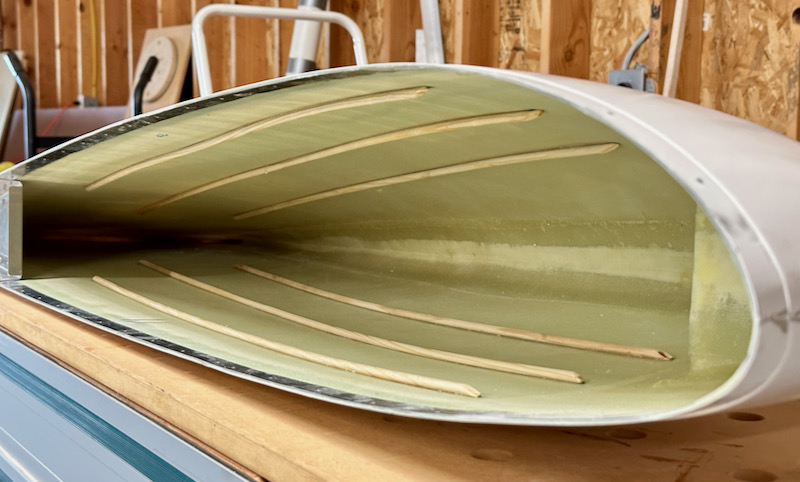
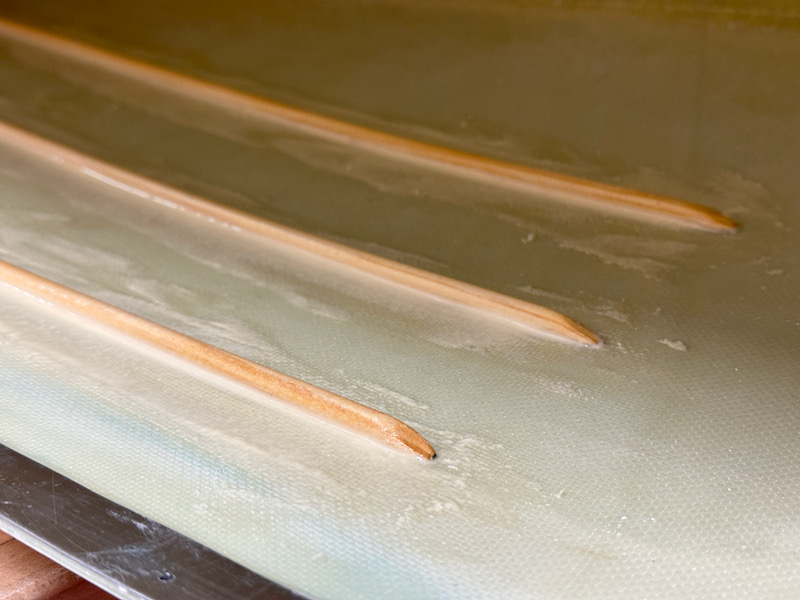
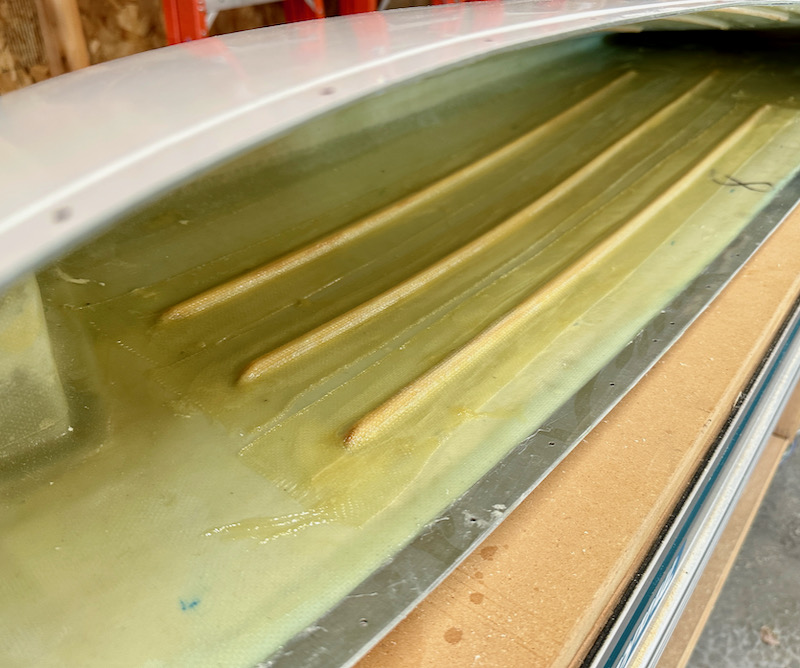
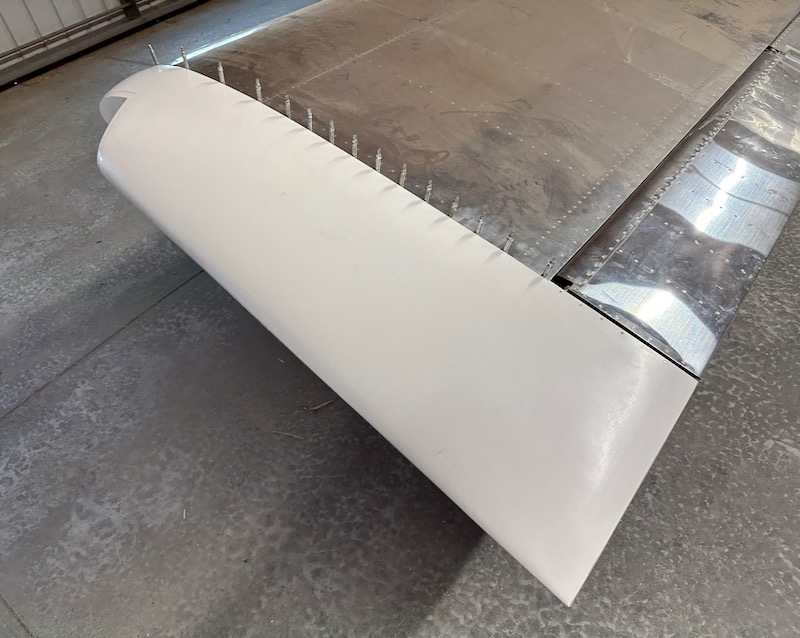
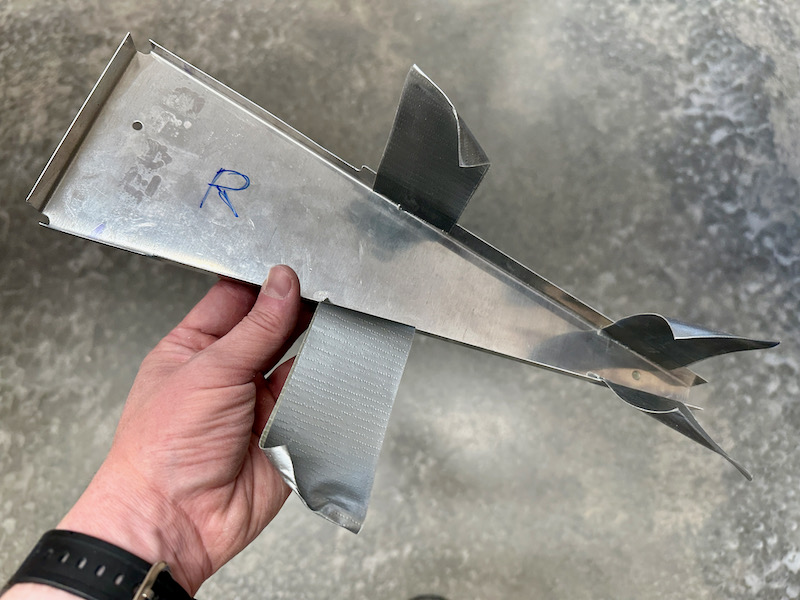
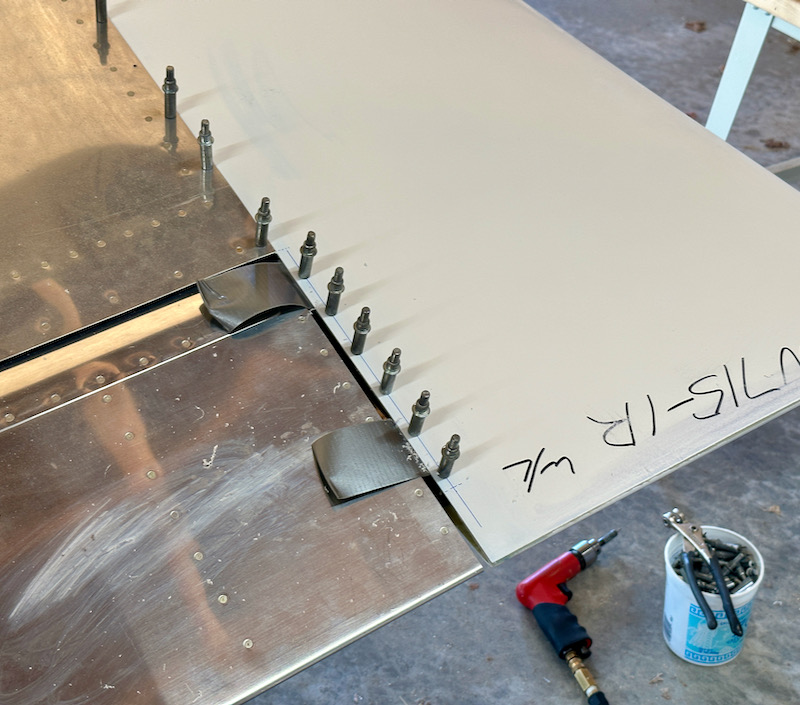
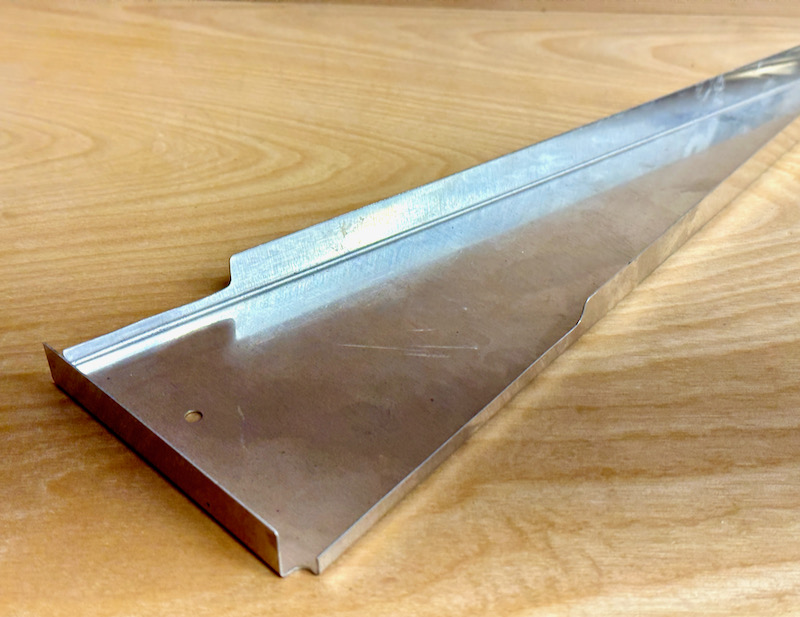
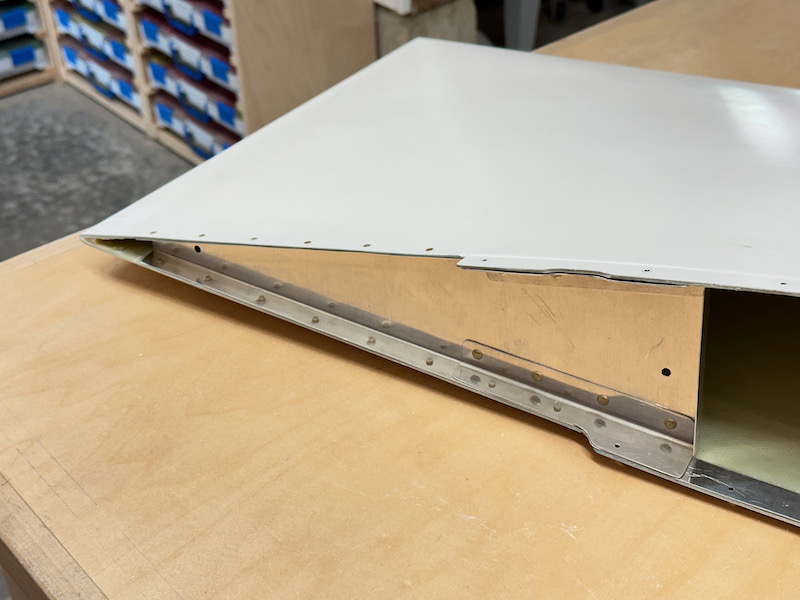
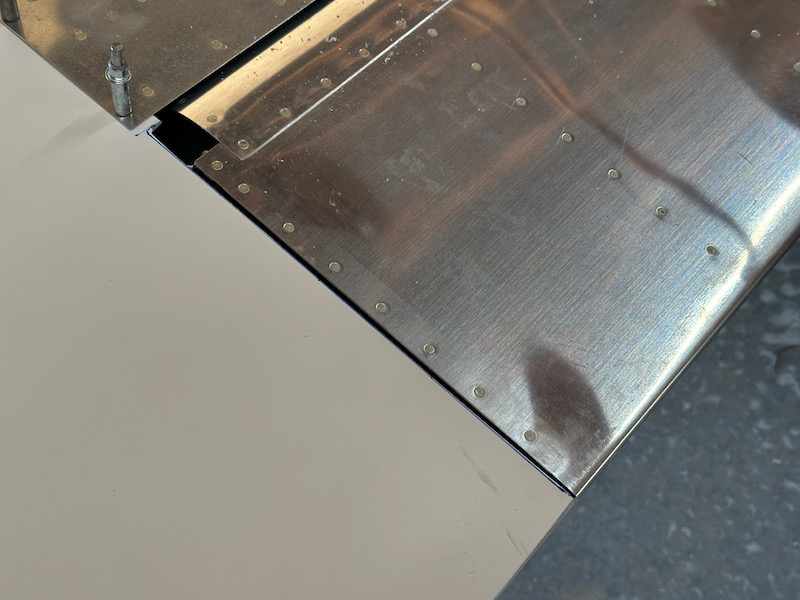
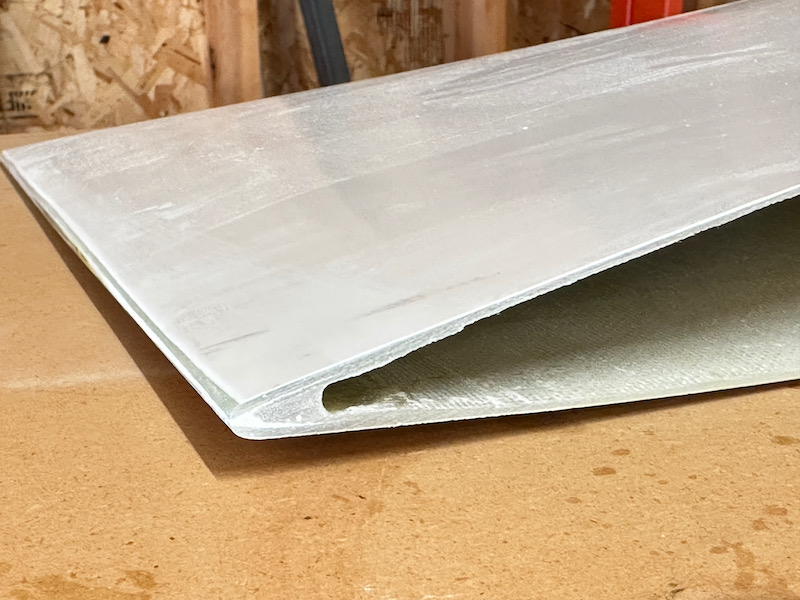
The flanges at the top of the intake air duct are riveted to some fairly thin fiberglass. This seems like an area where cracks could eventually develop, so I laid up a series of glass strips on the outside to reinforce it. After sanding the edge and cleaning up the holes, the air duct now has a "belt" around the top to help strengthen it.

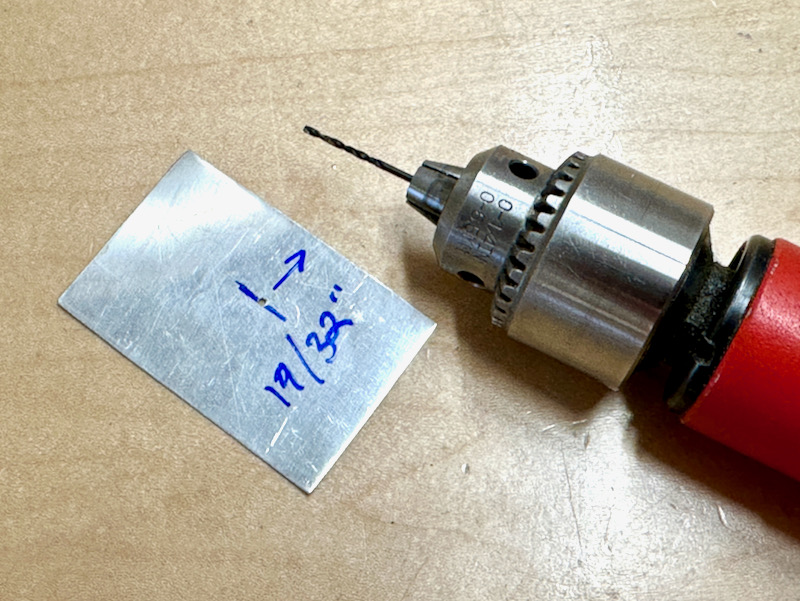
I drilled a 3/16" hole at the low point of the air duct, to let water drain out in case the airplane gets rained on while parked outside. The engine won't be happy (and probably won't even start) if the intake is choked with water.

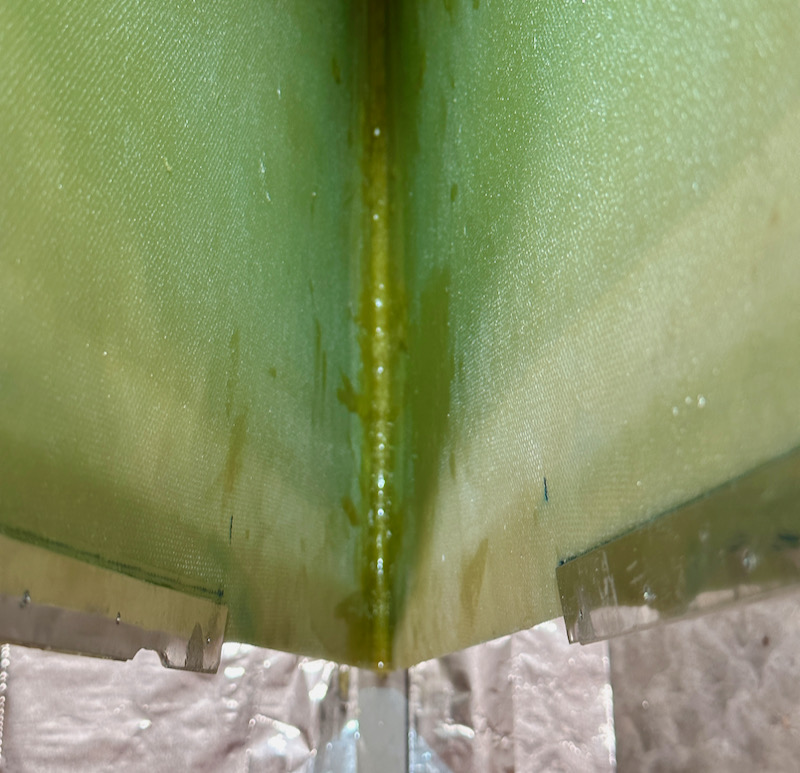
I countersunk the rivet holes on the inside of the duct (an angle drill once again proves invaluable here) and also dabbed a bit of epoxy/flox over the alternate air door rivets to encapsulate them and hopefully prevent cracking.

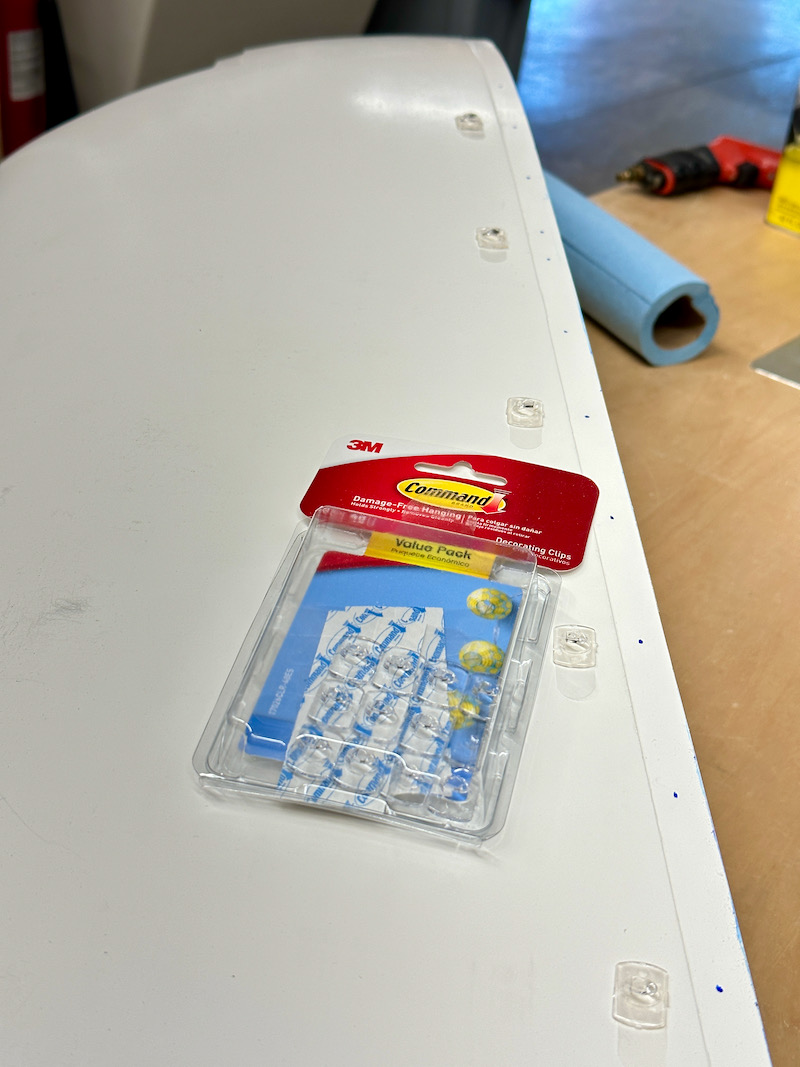
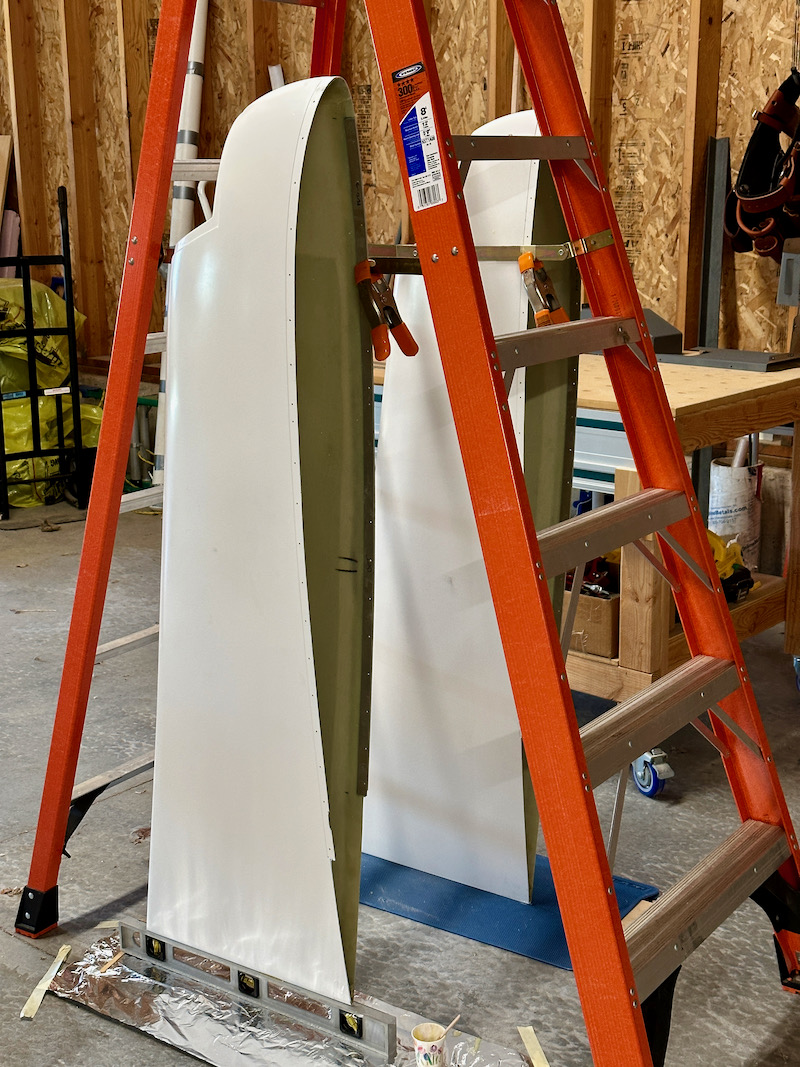
A couple coats of grey primer did wonders for the air duct's cosmetic appearance. It's still lumpy and covered with patches, but at least now it's all the same color.

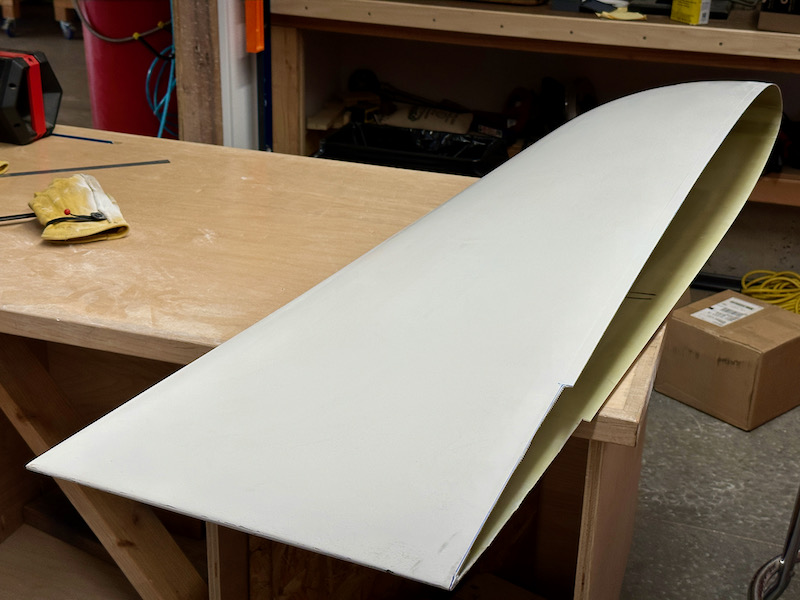
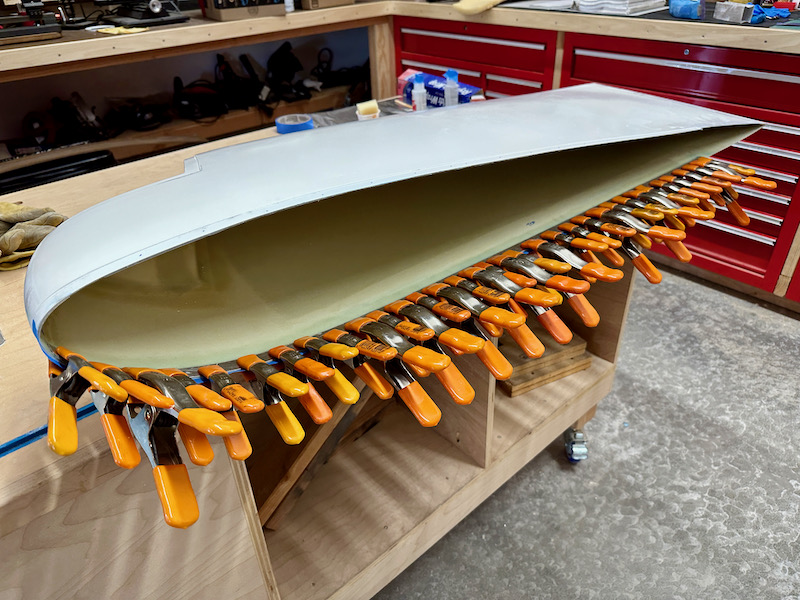
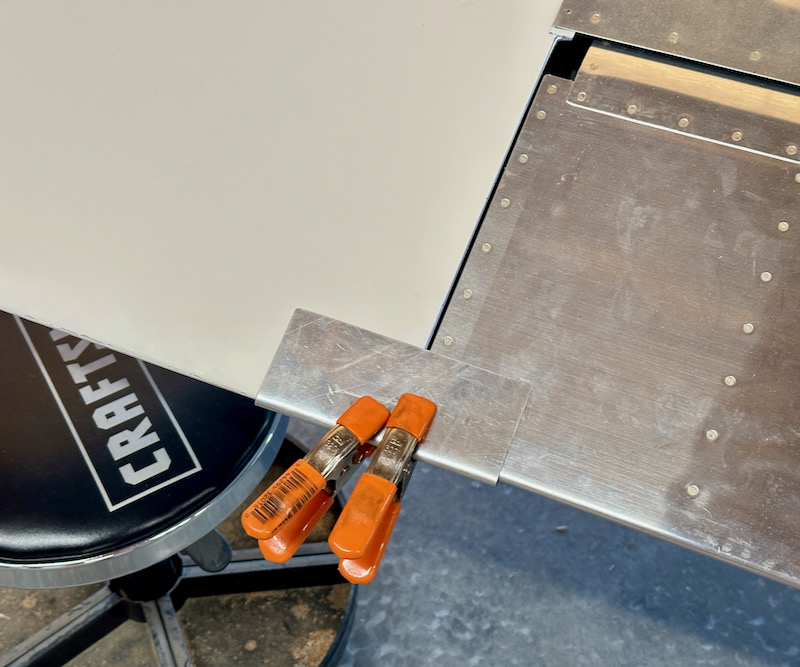
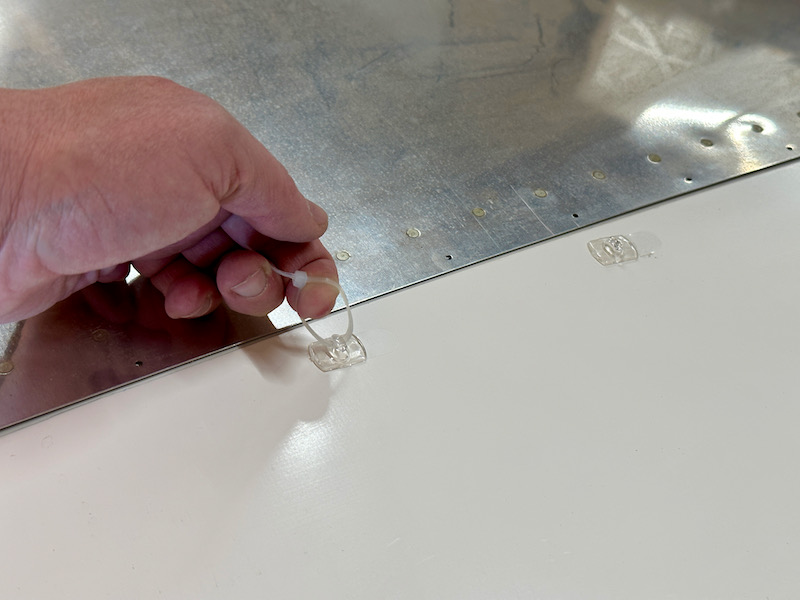
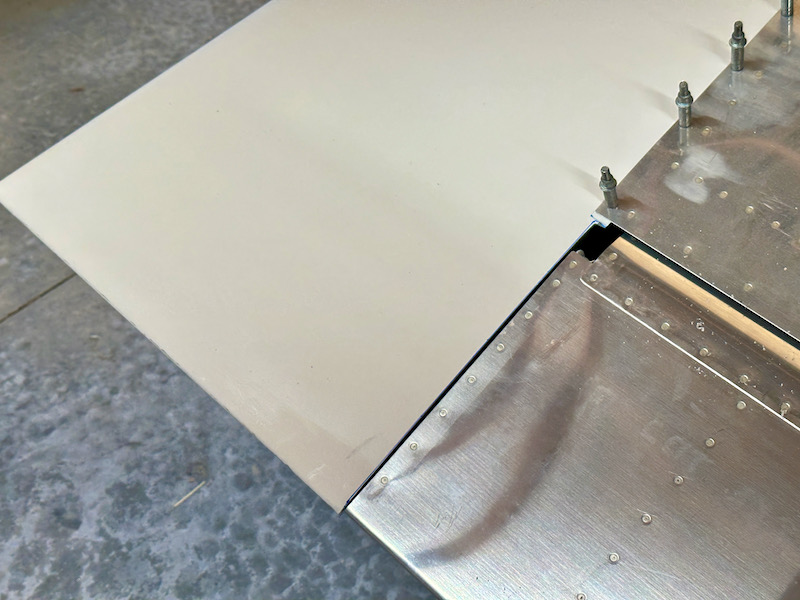
Before riveting the flanges to the duct, I roughed up the mating surfaces and spread epoxy/flox between them, and allowed it to cure overnight while clecoed together. Same basic idea as with the cowl hinges.

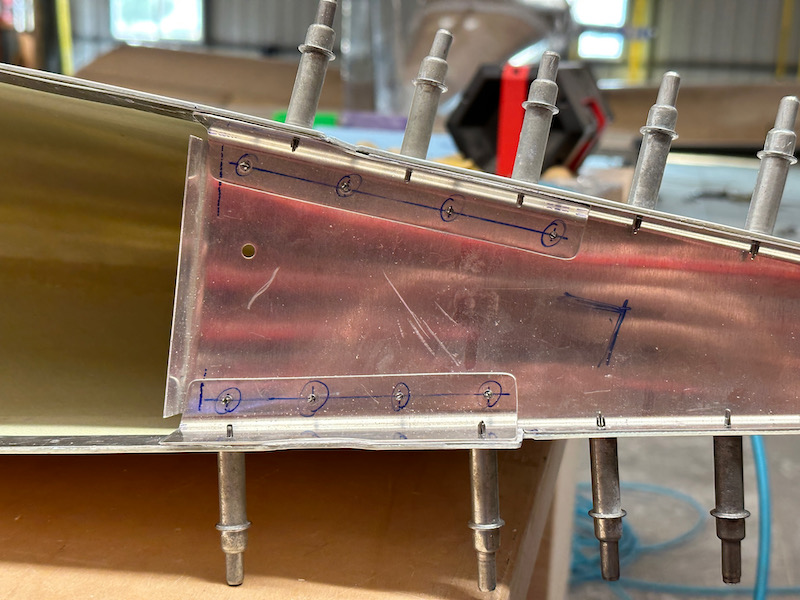
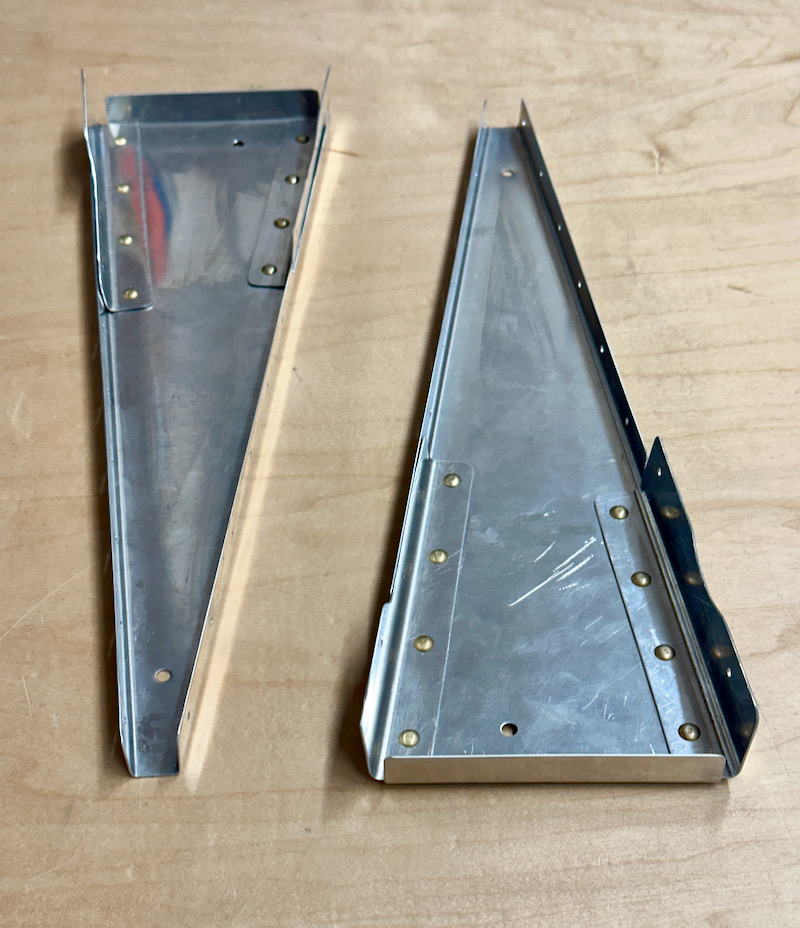
Then I riveted the flanges to the duct, using countersunk closed-end rivets with small washers on the outside to prevent crushing the fiberglass. Van's sent me the wrong rivets initially, which caused another work stoppage while I got that sorted out.

Finally, the air duct is finished and ready to go on the airplane. But I won't install it permanently until I get the starter and alternator wiring sorted out, as it would just be in the way.


Air duct patches

May 1st, 2011

The engine air duct had a big section cut away to make it fit next to the alternator, and also a couple smaller holes that I ground away before realizing that it's a better idea to cut the vestigial mounting lugs off the starter instead. These all need to be covered over, starting with the two smaller ones for reasons of finger-access. I laid up two plies of 8-ounce glass tape on the outside, let that cure, then followed up with two more plies on the inside. (that was probably overkill, three would likely have been enough here)

The larger opening at the end of the duct is big enough that it needed a form to hold the glass in its proper place while the glue dried. I glued a chunk of styrofoam in there to act as an in-place mold, and then sanded it to the desired shape.

I laid up three plies of glass on the outside:

When it's cool like it has been lately, I use a lamp as a directed heat source to help the epoxy cure faster:

Once the layup on the outside was dry, I poured acetone into the air duct and swirled it around until the foam was all dissolved, leaving only the fiberglass behind. Magic! Then I laid up a single ply of glass on the inside, to give it a bit more strength and to smooth out the rough surface left by the fairly coarse foam. This was tricky to do, as I had to reach my arm down from the wide end of the air duct and get glue all over my sleeve in the process. (if my wife is reading this, yes I did remember to change clothes first)

Once this is all dry, I'll sand off any rough edges – then there's just a few more chores before the air duct is finished.

Alternate air door

May 1st, 2011

The factory provides parts to build an alternate air door, which can be opened in an emergency to provide an auxilliary source of air to keep the engine running if the normal engine air filter is blocked by ice, snow, debris, a bird strike, or something else. I don't particularly like the design, since it's kind of hokey and it is a one-shot deal that requires removal of the cowl to reset it, meaning you can't test it before takeoff. But, after several rounds of making cardboard prototypes I couldn't come up with a better one that would a) fit within the restricted space available, and b) not increase the risk of having the engine ingest metal parts if any part of the alternate air door assembly were to fail (talk about the cure being worse than the disease). Some people have omitted the alternate air door entirely, but I decided it would be a good idea to just install the factory kit as provided. Every certified airplane has to have one, after all, and most of the requirements in Part 23 exist for a reason.

I cut a hole in the side of the air duct in the specified location, and match drilled holes through the steel mounting ring. Per the plans, I angled it 10 degrees clockwise relative to the top of the air duct.

Using hand seamers, I folded the retaining tab at the top of the ring:

Then I crimped the forward end, which provides a stop for the door when it reaches the closed position:

The door itself is a piece of 0.063" alclad that pivots around a screw and is actuated by a pull cable. This is the open position:

And here's the closed position. It took a bit of grinding to get it to close securely and move without interference.

The surface of the air duct is not flat all the way across, so you have to build it up to match the mounting ring. I mixed up a big batch of epoxy and flox and laid down a fillet, trying to as much as possible to squeegee the excess material away from where I didn't want it to go – this stuff is tough as nails and therefore hard to sand.

Here's the end result of the first round of sanding. I wish Van's would modify their mold to have a flat-topped bump on the side for this thing – sure would be a lot easier (and lighter!) to do it that way.

As I did other stuff with fiberglass this weekend, I'd use the leftover epoxy from each work session to mix up some microballoons that I'd apply to the alternate air door here and there, just to make it look less nasty. I know it will be hidden under the cowling, but I would like it to at least be a little bit professional looking.

I installed the pop rivets and polished the heads smooth to keep them from hanging up the door, or pushing it outwards and causing a gap, aka an air leak.

Here's the finished product, minus the cable that will be installed later once I figure out where to put the cockpit control for it. It's pretty ugly right now, but it will look better with a coat of paint.


Tool interlude

April 3rd, 2011

I went to fire up my drill press the other day, and absolutely nothing happened. I figured it must be the switch, which is a really low-quality plastic thing, but tested okay on my ohmmeter. So, I tore the thing apart trying to diagnose the problem.

Long story short, it actually was the switch – it was just making intermittent contact, and when I tested it the first time, it gave the false impression of being okay. But while I had the machine disassembled trying to pinpoint the problem, I managed to crack one of the cheaply-made pot-metal drive pulleys. Argh!

Since the cost for replacement parts was going to be about $50, and the whole drill press cost me less than $250 to begin with, I thought hard about just junking it – after salvaging the motor and chuck, of course – and buying a better-quality drill press to replace it. But after pondering it further, I decided I really want my next drill press to be a floor-stander, and I just don't have the space for one of those right now. So, fifty bucks and a few days later, I had a new switch and pulley in my mailbox.

Here's what the drive mechanism on this model of drill press (Delta DP350) looks like. The pulleys on the motor and spindle are actually split into two halves, and control of the spindle speed is effected by varying the spacing between the pulley halves, thereby changing the effective pulley radius as seen by the belt. It's partially clever and partially hokey. On the one hand, this is the only low-end variable-speed drill press that doesn't require you to stop the machine and change belts to alter the spindle RPM; on the other hand, the low-end speed is too fast to use with a fly cutter, the special belt is expensive to replace, and the speed-change mechanism sometimes gets bound up. By the way, getting the collar and snap ring back onto the motor shaft while compressing that big spring was a fun chore.

All back together and working again. One thing I will say for this drill press, it does have a very good depth stop (which I hardly ever use), the chuck is easy to adjust, and it generally seems to run true. It's just too bad about all the cheap internal parts. Hopefully by the time it breaks again, I'll have more space for a bigger and better model.

In other tool-related news, I bought a lathe! I've wanted to get one for a while, and when I saw that somebody in town was selling a Sherline 4400 on Craigslist, I couldn't resist.

I got a pretty good deal, if I do say so myself. In addition to the basic lathe itself, I got a three-jaw chuck for the headstock, both a 1/4" Jacobs chuck and a 3/16" Albrecht chuck for the tailstock, a dead center, a live center, a lathe dog, a steady rest, a milling vise, and a collection of carbide cutting tools. And probably some other stuff that I don't even know how to recognize yet!

I have scant experience using a lathe, so this will be fun to learn on. I doubt I'll do anything fancy with it, but it should be great for making tubular spacers and the like. However, one thing I didn't like about the lathe when I got it was the fact that with speed knob dialed all the way down to zero, you don't have any indication that the power is switched on. I figured it would be bad to start messing with the chuck while accidentally leaving the lathe in a state where it could unexpectedly start turning, so I took apart the motor control box to see if I could rig up some kind of reminder lamp.

I bought a 120VAC neon bulb from Radio Shack, mounted it in the plastic cover, and connected it downstream from the power switch. I used high strength loctite to secure the mounting nut on the lamp, so it can't work its way loose and fall down onto the speed control board and cause a short.

Voila, an obvious red light now reminds me to shut off the power before adjusting the lathe.

The lathe will get put to work soon to turn out some spacers for the oil cooler mounting bolts. Meanwhile, I have been working quite a bit on reinforcements to the baffles where the oil cooler will be attached, but I still have some work to do before I'm satisfied with the design.